







 Send Inquiry
Distribution Transformer Manufacturer
Price 990000 INR/ Unit
Distribution Transformer Manufacturer Specification
- Coil Material
- Copper Core
- Cooling Type
- ONAN
- Low Voltage
- 220 Volt (V)
- Rated Voltage
- 11000KV Volt (V)
- High Voltage
- 433V Volt (V)
- Voltage Booster Type
- Insulation Oil
- Product Type
- Oil Immersed
- Material
- Copper
- Output
- 0.433KV
- Frequency (MHz)
- 50 Megahertz (MHZ)
- Efficiency
- 99.9%
- Phase
- Three Phase
- Usage
- Commercial Buildings, Telecom Industry & Industrial
- Coil Structure
- Laminated Core
- Coil Number
- Double Winding
- Weight
- 2480-2500 Kilograms (kg)
Distribution Transformer Manufacturer Trade Information
- Minimum Order Quantity
- 1 Unit
- Supply Ability
- 1 Unit Per Week
- Delivery Time
- 4 Week
- Packaging Details
- FOAM PACKING
- Main Domestic Market
- All India
Distribution Transformer Manufacturer About
Bhartis Power And Distribution Transformer Are Manufactured With A Standard Rating And Customer Requirements. All Transformers Are Designed For Continuous Operation With Maximum Efficiency To Confirming IS 1180 Standards.Transformers Are Designed & Tested As Per Indian & International Standards To Meet Specific Requirements Of Our Customers . Our Manufacturing Facility Governed By Stringent Quality, Assurance Check During
Different Manufacturing Stages, To Manufacturing Power & Distribution Transformer.
Bhartis Distribution And Powre Transformers Being The Most Important Element In Any
Industrial/Commercial Unit, At Bharti Our Main Aim Is To Provide Superior Quality Maintenance,
Design And Tested As Per The Latest Highest Standard, To Assure The Same We Are Maintaining Our
Design And Development Team Having Highly Qualify And Experienced Personal To Prissily Keep Eye
On Design Part In Cooperated With A State Of Art Testing Lab Transformer Is Manufactured With
Standard Rating & Customer Requirement,
Robust Performance with Copper Core Design
Engineered with a laminated copper core, our distribution transformers excel in durability and efficiency. This build ensures minimal energy losses, supports substantial load demands, and maintains a stable supply for various industrial and commercial applications. The copper winding further enhances conductivity, resulting in longer service life and consistent performance under continuous operation.
Advanced Cooling and Insulation for Maximum Lifespan
Utilizing Insulation Oil and ONAN (Oil Natural Air Natural) cooling methods, our distribution transformers remain cool and protected during extended usage. This advanced approach keeps the system operating within safe temperature ranges, significantly reducing maintenance needs and ensuring long-term reliability, even in demanding environments.
FAQ's of Distribution Transformer Manufacturer:
Q: How does the double winding feature enhance transformer performance?
A: The double winding design improves energy transfer efficiency between the primary and secondary coils, reduces losses, and provides better voltage regulation-making it ideal for industrial and commercial setups requiring consistent power distribution.Q: What benefits does the copper core and laminated coil structure offer?
A: A copper core with laminated coils reduces eddy current losses and boosts conductivity. This increases efficiency, minimizes heat generation, and extends the transformer's operational lifespan, which is essential for high-demand applications.Q: When should this transformer be used in commercial or industrial settings?
A: This transformer is best suited for commercial buildings, telecom infrastructure, and industrial facilities requiring stable voltage at 50MHz frequency, especially where consistent three-phase power and high efficiency (99.9%) are critical.Q: Where can these distribution transformers be installed?
A: They can be installed in various locations such as switchgear rooms, power distribution centers, substations, or any facility needing reliable step-down voltage, provided that environmental guidelines for large electrical equipment are followed.Q: What is the process for ensuring transformer safety and longevity?
A: Our transformers use insulation oil and ONAN cooling, along with stringent manufacturing standards and regular maintenance protocols. This combination ensures safe operation and extends equipment life, even in demanding environments.Q: How does the transformer support voltage boosting and stability in distribution?
A: With a rated voltage of 11,000KV and advanced insulation oil, the transformer efficiently steps down high input voltages to safe output levels (433V and 220V), ensuring steady and stable power delivery for end users.Q: What are the primary advantages for telecom and industrial users?
A: Telecom and industrial operators benefit from high efficiency, robust build quality, excellent thermal management, and dependable performance-translating to reduced downtime, minimized losses, and lower operational costs.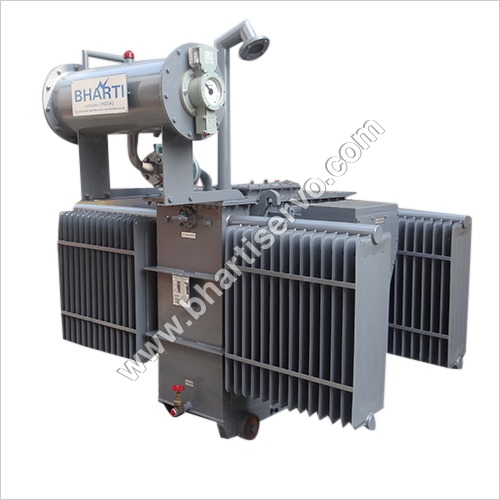

Price:
- 50
- 100
- 200
- 250
- 500
- 1000+

More Products in Distribution Transformer Category
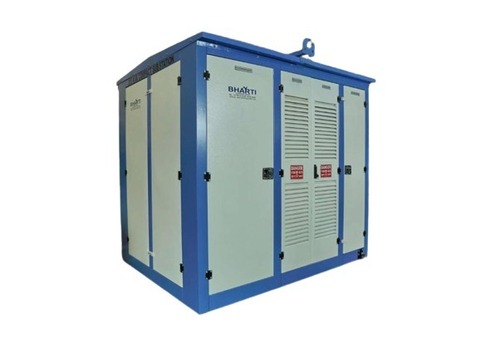
COMPACT SUBSTATION
Price 1450000.0 INR / Piece
Minimum Order Quantity : 1 Piece
Phase : Three Phase
Low Voltage : 433V Volt (V)
Material : COPPER
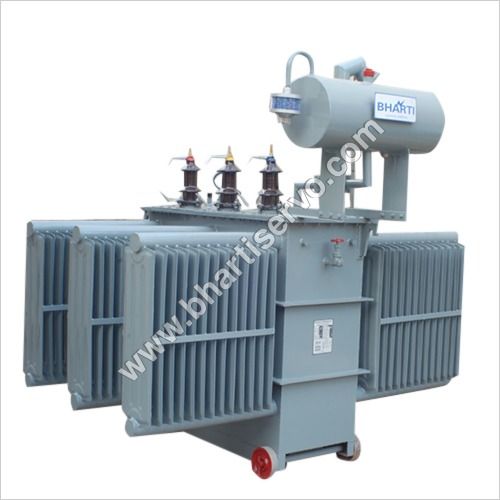
Distribution Tranformer
Price 610000 INR / Unit
Minimum Order Quantity : 1 Unit
Phase : Three Phase
Low Voltage : 220 Volt (V)
Material : Mild Steel
Usage : For Offices, Commercial Buildings, Telecom Industry
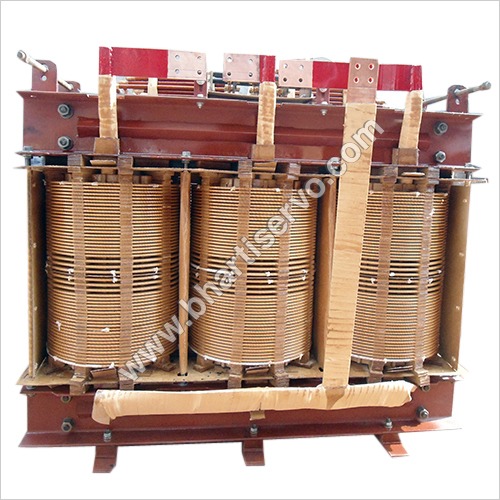
Disc Winding Transformer
Price 100000.00 INR / Piece
Minimum Order Quantity : 1 Piece
Phase : Three Phase
Low Voltage : 220 Volt (V)
Material : Iron
Usage : For Offices, Commercial Buildings, Telecom Industry
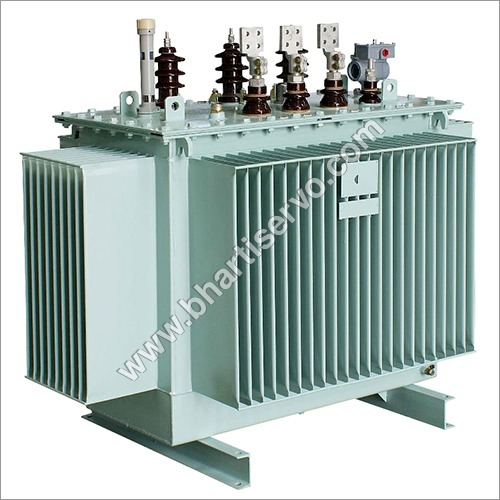
Distribution Transformer - Corrugated Radiators
Price 680000.0 INR / Unit
Minimum Order Quantity : 1 Unit
Phase : Three Phase
Low Voltage : 220 Volt (V)
Material : Mild Steel
Usage : For Offices, Commercial Buildings, Telecom Industry



- D214, Phase VII, Focal Point,Ludhiana - 141010, Punjab, India
- Phone : 07313726029

- Mr Rahul Sharma (Director)
- Mobile : 07313726029
- Mr. Rahul Sharma (Director-Marketing)
- Mobile : 07313726029
- Mr. Varun Sharma
- Mobile : 07313726029
- Send Inquiry
 Send Inquiry
 |
BHARTI ENGINEERS
All Rights Reserved.(Terms of Use) Developed and Managed by Infocom Network Private Limited. |
